


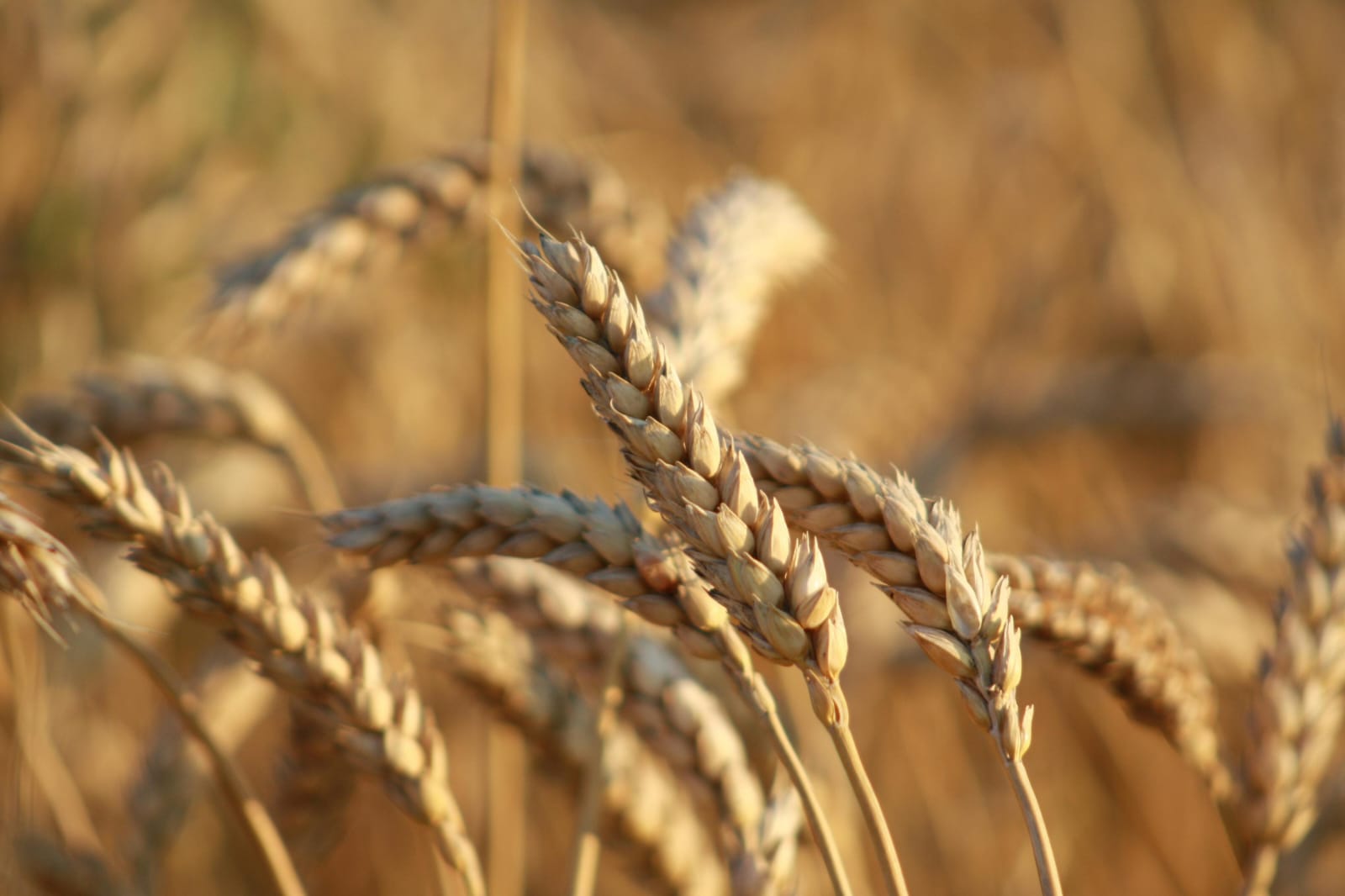
The influence of Agricultural Strength of India on the global food stability
Food security is now among the most urgent international issues as the world is facing climate disturbances, geopolitical crises, and supply chain shocks. Nations in the global arena are struggling with the increasing food prices and unpredictable agricultural production. Through these struggles, India is slowly becoming not only a country that is satisfying its food requirements, but a stabilizer in the world food market.
The main agenda of agriculture in India during decades following independence was very basic, i.e. to feed the people. That mission has grown to-day. India is also becoming a global agricultural stabiliser with good production capacity, better supply chains and more agricultural exports.
The Process of Indian Economic Growth
The change in India started in the late 1960s when the Green Revolution took place. The development of irrigation, better seeds and modern farming techniques saw the production of wheat and rice dramatically increase. The nation which previously depended on imported food became self-reliant.
In the current times, India is one of the largest producers of various agricultural commodities in the world. It is also one of the leading manufacturers of rice, wheat, milk, pulses, fruits and vegetables. India is a major producer of food in the world in various categories as indicated by the statistics of the Food and Agriculture Organization.
In India, foodgrain production has reached 330 million tonnes per year and it has taken decades of agricultural growth. This expansion has not only ensured the national food production but also developed the potential of exports to serve the foreign markets in times of scarcity.
The Indian Presence in World Food Markets
Large agricultural producers are important in the stabilising process when the global supply chains are broken. The agricultural production and exports of India are accelerating to a level that it can affect the food supply in the world.
India is an example with it emerging as one of the largest rice exporters in the world. Indian rice exports stabilize prices in many importing countries and avoid shortages in years when major producing countries experience crop failures due to weather conditions. Likewise, India has increased its sugar, spices and marine products and processed agricultural products exports. Such exports contribute to food security in some of the developing economies that are dependent on imports to supply the local market.
Consider a situation that a drought that hits large parts of the world grain-producing areas would cause abrupt shortages in the international markets. Nations that have excess capacity such as India have a tendency of intervening to provide food grains and this helps to avert sudden price surges and shortages of supply.
Enhancing Agricultural Infrastructure
The increase in the influence of India in the global food systems is not only due to increased production. It is also backed by the enhancement of agriculture infrastructure and policy regimes.
The agricultural value chain has been reinforced over the last ten years through investments in irrigation, storage systems and logistics networks. Contemporary warehouses, cold storage units, and food processing plants can also minimize post-harvest losses and enhance the reliability of supply.
The farmers have also had better access to the market and price discovery through the digital platforms and agricultural market places. These inventions facilitate the transportation of agricultural products in farms to consumers and other export markets.
The fact that logistics have been improved has been especially relevant. The transportation systems are well organized which facilitates the timely delivery of agricultural products to ports and foreign markets making India a reputable supplier.
Diversity in Agriculture as a Strategic Benefit
Diversity of the agricultural produce in India is one of the greatest strengths. The diverse climate regions in the country favor diverse crops including cereals and pulses, fruits, vegetables, spices and products of the plantations. This variety gives it resistance to local crop failures. A challenge in one crop in relation to the weather conditions leads to the production being enhanced in other crops leading to a balance in overall production levels.
The agricultural diversity in India also makes it strong in the world food trade. The country does not depend on a few commodities to export to the market but sells a broad variety of goods, so it is a key player in various food markets.
Suppose a country that imports pulses is short of supply because of failure of crops in the country. India has high pulse production that can be used to fill the gap to supply food to millions of consumers across the globe.
The Strategic significance of Food Power
In geopolitics, possession of important resources is usually converted to a strategic influence. Similar to energy resources defining the power relations in the world, food production is becoming a significant aspect of interstate relationships.
The nations that are able to provide the necessary food commodities during crisis situations acquire diplomatic and economic power. The increasing agricultural surplus of India makes it able to play such a role.
India provides food to those areas that are facing shortages thus contributing to world stability and also improving its economic relationship with the countries that import its food. Another impact is the export of agriculture which is also a source of foreign exchange and helps to grow the rural economy.
The major reasons that lead to the emergence of India as a food power are:
*Huge and diversified agricultural base.
*Increase in food processing and export facilities.
*Farmers and export-friendly government policies.
These are the strengths that enable India to contend between the local food security and international food supply.
Challenges on the Path Ahead
Even though its agricultural sector is gradually gaining power, it still has a number of obstacles. Some areas are still affected by climate change, water shortage, and reduced landholdings.
To sustain long-term growth, it will be necessary to improve agricultural sustainability. These challenges can be handled through investments in climate-resilient crops, effective irrigation systems, and advanced farming technologies.
Also, it will be important to enhance agricultural research and rural infrastructure so that the farmers can enjoy global market opportunities.
A Fresh Part in the World Food System
The agricultural history in India is no longer about feeding itself. It is now more of giving back to the world in terms of food stability.
In a world where the demand of food and environmental pressure is on the increase, stable agricultural producer will be crucial in ensuring supply chain sustainability. The growing production capacity, variety of crops and the growing infrastructure of India puts it in a good position to fulfill this obligation.
India has gone through a tremendous change since the acquisition of its own food requirements to the sustenance of the global markets. The nation, which used to grapple with food insecurity, is slowly coming out as a stabilising force in the food system of the world.
