


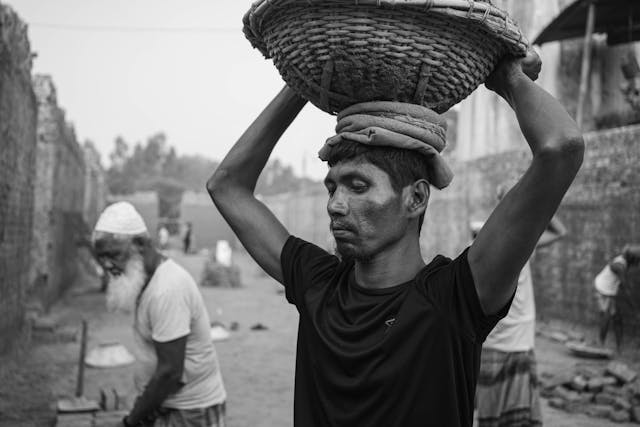
On November 21, 2025, India took a bold step into the future of labour governance. The Ministry of Labour and Employment officially implemented the country’s long-awaited labour codes, consolidating 29 separate and often overlapping laws into four unified codes. This is not just a regulatory update — it’s a structural reset for India’s workforce and businesses, designed to simplify compliance, expand worker protections, and create a framework suited for a modern economy.
For decades, India’s labour laws were admired for their intent but criticised for their complexity. Fragmented regulations, many dating back to the 1940s and 1950s, created hurdles for businesses, kept small firms from growing, and left the majority of workers — particularly in the informal sector — without formal protection. The new labour codes aim to change all that.
The Four Labour Codes That Changed the Game
The four codes brought into force are:
-
Code on Wages, 2019
-
Industrial Relations Code, 2020
-
Code on Social Security, 2020
-
Occupational Safety, Health and Working Conditions (OSHWC) Code, 2020
By consolidating decades of fragmented legislation into a single, streamlined framework, the government has simplified compliance for businesses while expanding protections for workers. While the central codes are now active nationwide, full implementation depends on state-level notifications, meaning the rollout will strengthen gradually across regions.
Why the Reform Was Needed
India’s old labour laws, though protective in intent, had three major unintended consequences:
-
Firms Stayed Small – Hiring more workers meant navigating cumbersome regulations, so many businesses deliberately limited growth.
-
Informal Work Dominated – Nearly 90% of India’s workforce remained outside formal contracts and protections.
-
Limited Coverage – Only a small fraction of formal, unionised workers truly benefited from labour protections, leaving the majority without social security or stability.
The new codes aim to reverse these trends, creating a more inclusive, fair, and flexible labour ecosystem.
Key Changes Under the New Labour Codes
1. Clearer Wages for Everyone
The new codes introduce a uniform definition of wages, with basic pay and DA accounting for at least 50% of total CTC. This clarity ensures fair PF, gratuity, and other benefits, while reducing disputes over salary definitions.
2. Social Security for All, Including New-Age Workers
For the first time, the law formally recognises gig workers, platform workers, and the self-employed. These workers can now access:
-
Pension schemes
-
Health and maternity benefits
-
Government-backed welfare programs
This reform is a major step toward integrating millions previously excluded from the formal system.
3. Equal Rights for Fixed-Term Employees
Fixed-term employees now enjoy:
-
Gratuity after just one year of service (previously five years)
-
Equal wages and benefits compared to permanent staff
-
Clear, fair contract terms
This makes temporary employment less precarious and more dignified.
4. Safer and Healthier Workplaces
The OSHWC Code mandates:
-
Annual health checkups
-
Updated safety norms
-
Better facilities for women employees
-
Reduced workplace risks through unified rules
A healthier workforce benefits both employees and employers, improving productivity and reducing accidents.
5. Simpler, Digital Compliance
The codes reduce bureaucratic red tape with:
-
Single registration for multiple activities
-
Unified licensing for contractors
-
Digital records and online filings
This reduces paperwork, lowers compliance costs, and encourages businesses to formalise their workforce.
Who Benefits?
-
Formal Sector Workers – Better contracts, safer workplaces, predictable benefits.
-
Informal Workers – Access to social security and welfare for the first time.
-
Gig and Platform Workers – Legal recognition and social protection.
-
Contract and Fixed-Term Employees – Equal pay and benefits as permanent staff.
-
Employers – Streamlined compliance, predictable regulations, and flexibility to expand.
Overall, these reforms potentially impact over 50 crore workers, reshaping India’s labour market in a profound way.
Why It Matters Now
India’s economy is changing rapidly, driven by startups, manufacturing expansion, technology-led job creation, and global supply chain shifts. The old labour system, designed for a post-independence industrial economy, struggled to support this transformation.
The new codes aim to deliver:
-
More security for workers – through benefits, formalisation, and health protections
-
More flexibility for businesses – to hire, innovate, and expand without regulatory bottlenecks
-
A dynamic labour market – where skills move freely and job creation accelerates
Looking Ahead
While the codes are officially in force, full state-level rollout is still in progress, making it a phased journey. The real challenge will lie in execution, awareness, and adaptation by both employers and workers.
Yet the direction is clear: a simpler, fairer, and future-ready labour ecosystem. If implemented effectively, these reforms could unlock millions of formal jobs, deepen social protections, and strengthen India’s workforce to meet the demands of a $5 trillion economy.
A New Chapter for India’s Workforce
The 2025 labour codes are more than legal reforms — they are a blueprint for a modern workforce. By combining worker protections with business flexibility, India has taken a significant step toward a labour market that is inclusive, dynamic, and globally competitive.
For millions of workers and businesses, the future of work in India is not just about surviving regulations — it’s about thriving in an environment built for growth, dignity, and opportunity.