


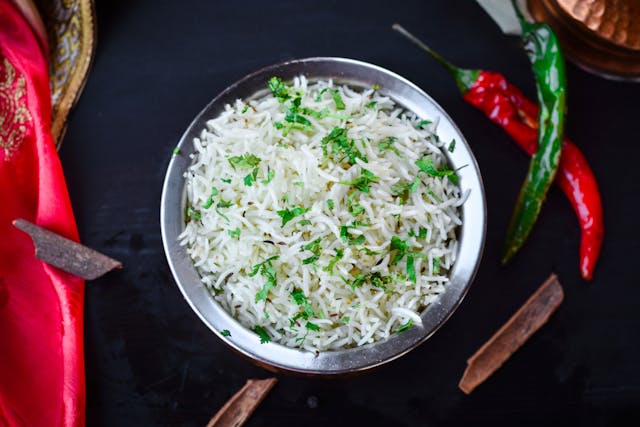
In the lush fields of Punjab, Haryana, and western Uttar Pradesh, the first golden shoots of basmati rice sway gently in the breeze, promising more than just a harvest. For generations, these fields have been the cradle of India’s most prized long-grain rice—a grain that carries not only flavor but also livelihoods, tradition, and global recognition.
Even as geopolitical tensions ripple through the Middle East, one of the largest import markets for Indian basmati, exporters are confident that the country’s shipments will continue to reach kitchens worldwide. The secret lies not only in the grain’s distinct aroma and length but also in the decades of relationships and trust built between Indian farmers and international buyers.
The Journey from Field to Table
Basmati rice is unlike any other crop. Its cultivation requires careful selection of seeds, precise irrigation, and meticulous timing to ensure the grains reach their signature length and fragrance. Each season, thousands of farmers work tirelessly to tend to these fields, often passing knowledge down through generations.
Once harvested, the rice enters modern milling facilities where precision machinery and skilled hands sort, clean, and package the grains for export. From there, the journey spans continents—landing in the kitchens of families in the Middle East, the United States, Europe, and beyond. Each grain carries the story of the farmers, millers, and traders who nurtured it.
Markets That Value Tradition
The Middle East remains a cornerstone of basmati exports, not just because of demand but due to cultural and culinary connections. Countries like Saudi Arabia, UAE, and Iran have long embraced Indian basmati as a staple for family meals, festivals, and special occasions. Beyond these regions, South Asian communities in Europe and North America seek authentic Indian rice, creating a steady global market.
Even amid conflicts and uncertainties, the enduring preference for Indian basmati rice ensures that shipments remain consistent. Buyers know they can rely on India’s quality, consistency, and commitment, making basmati rice a resilient product in a volatile world.
Economic and Social Impact
Basmati rice is not just a product—it is a lifeline for millions. For farmers in India, it represents income security and a chance to invest in education, health, and the future. Millers, transporters, and exporters rely on the trade for employment and growth, while international buyers depend on its availability for culinary traditions.
The export of basmati rice generates significant foreign exchange, contributing to India’s economy and reinforcing the importance of agriculture as a backbone of national development. In times of global uncertainty, maintaining steady exports provides not only financial stability for farmers but also reassurance to international markets that India can be counted on as a reliable supplier.
Human Stories Behind the Grain
Behind every export shipment are human stories. A farmer in Punjab carefully tending his crop, a young worker in a milling facility ensuring that the grains are perfect, a trader negotiating shipment logistics—all contribute to a chain of dedication that ultimately reaches the consumer’s table.
For many families, basmati rice is both a cultural heritage and a livelihood. The fragrance of cooking rice in a home abroad is a reminder of connection to India, and each grain represents the labor, care, and pride of the people who grew it.
Resilience in Uncertain Times
Global tensions and conflicts can disrupt trade, but India’s basmati industry has shown remarkable resilience. Investment in modern storage, quality control, and logistics ensures that shipments reach destinations on time. Supportive government policies, including minimum support prices and crop insurance schemes, help farmers sustain production even under unpredictable conditions.
This combination of human effort, technology, and institutional support allows India to continue feeding the world, proving that basmati rice is not just a commodity—it is a symbol of reliability and cultural connection.
A Grain That Connects the World
In every bowl of basmati rice served abroad, there is more than flavor. There is a story of land, labor, and legacy, of farmers rising with the sunrise and traders ensuring that their grains cross oceans to reach families who cherish them.
Despite global uncertainties, Indian basmati rice remains a bridge—connecting nations, supporting livelihoods, and celebrating a centuries-old tradition of agriculture. Its aroma, texture, and quality continue to make it one of India’s most cherished exports, a product that nourishes not only the body but also the spirit.
Why It Matters:
-
For farmers: Provides livelihoods, income stability, and generational continuity.
-
For the economy: Generates foreign exchange and strengthens India’s global trade profile.
-
For the world: Connects cultures and preserves culinary traditions.
-
For society: Demonstrates how agriculture and human effort together sustain communities and markets.
In the end, India’s basmati rice is more than just a crop—it is a testament to resilience, heritage, and human dedication, feeding the world grain by grain.