


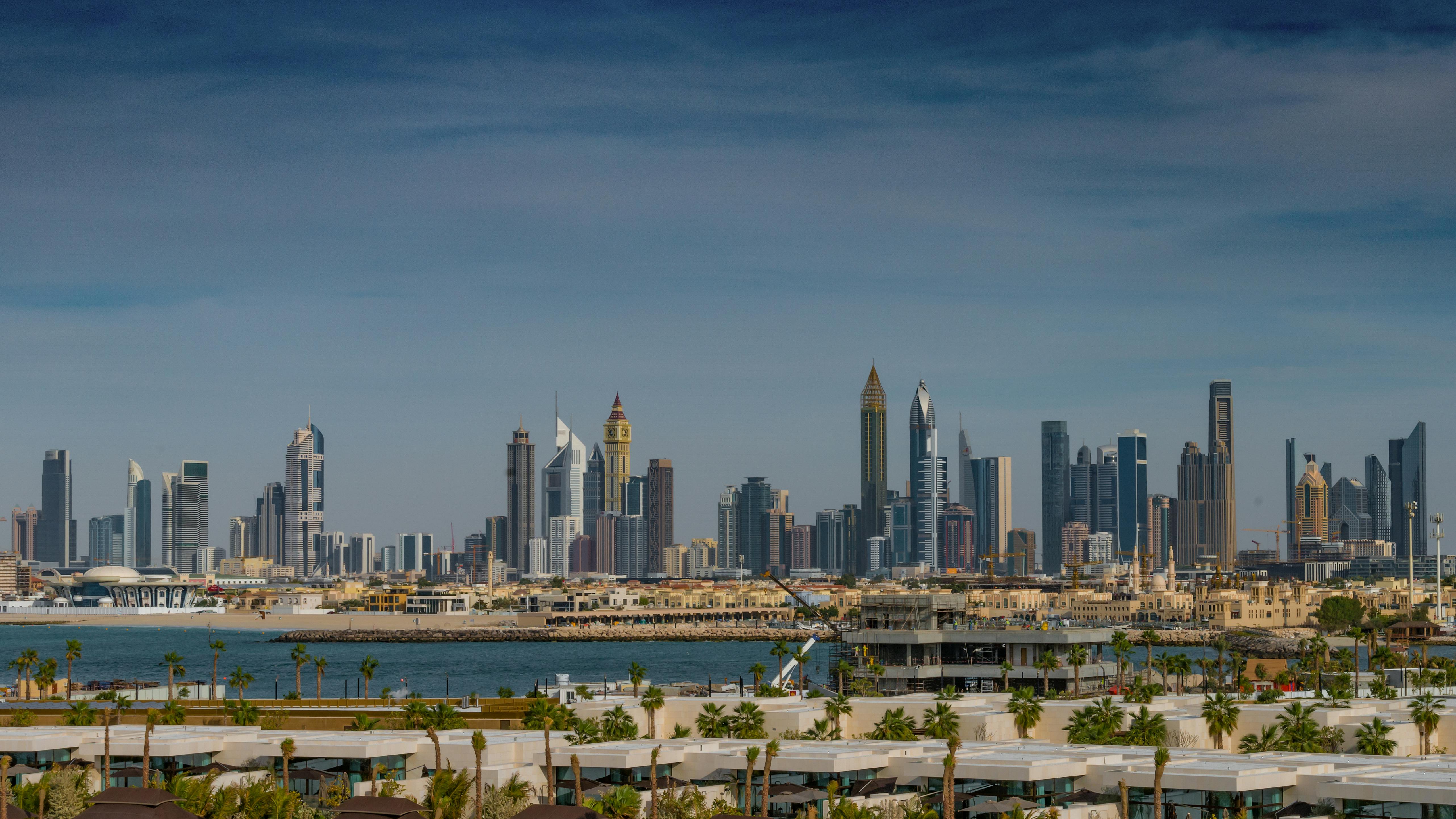
The global travel industry in 2026 is evolving rapidly as changing economic conditions, technological innovation, and geopolitical developments reshape how people travel. While tourism demand continues to recover and grow, travelers and businesses are becoming more cautious and strategic in planning trips. The year is expected to bring both opportunities and challenges as the industry adapts to a complex global environment.
Industry observers note that travel in 2026 will be defined by resilience, with strong demand balanced by economic pressures and geopolitical risks that influence traveler behavior.
Travel Demand Remains Strong but More Selective
Despite global uncertainty, international travel demand continues to grow as people prioritize experiences and mobility. However, travelers are becoming more selective about where and how they travel.
Rising transportation and accommodation costs are encouraging travelers to plan fewer but more meaningful trips. Instead of frequent short journeys, many travelers are focusing on destinations that offer value, unique cultural experiences, and strong infrastructure.
Business travel is also becoming more strategic. Companies are prioritizing trips that deliver clear outcomes such as conferences, partnership meetings, and market expansion opportunities while reducing unnecessary travel.
Global Unrest Influencing Travel Decisions
Geopolitical tensions and regional conflicts are increasingly influencing global travel patterns in 2026. Ongoing unrest in several parts of the world has affected airspace availability, airline routes, and traveler confidence.
Airlines have been forced to adjust flight paths due to security concerns and restricted airspace in certain regions. These adjustments often result in longer travel times, higher operational costs, and occasional disruptions to international travel schedules.
At the same time, travelers are paying closer attention to global developments before planning trips. Safety, stability, and accessibility have become major factors in destination selection.
Stable Destinations Gaining Attention
As global uncertainties continue to influence travel behavior, destinations perceived as safe and politically stable are attracting increased interest from international travelers.
Countries with strong infrastructure, efficient transportation networks, and well-developed tourism sectors are benefiting from this shift. Travelers are prioritizing destinations that offer reliable services, modern facilities, and consistent connectivity.
This trend is also encouraging tourism boards and governments to strengthen their safety standards and communication strategies to maintain traveler confidence.
Technology Transforming the Travel Experience
Technology continues to play a central role in shaping travel experiences in 2026. Artificial intelligence, mobile travel applications, and digital booking platforms are helping travelers plan trips more efficiently.
Modern travel tools allow users to compare flights, accommodations, and transportation options in real time. Travelers can also receive updates on schedules, weather conditions, and local regulations, enabling them to adapt quickly to changing circumstances.
For travel companies, digital transformation is improving customer engagement while helping businesses manage bookings, logistics, and customer service more effectively.
Sustainability Influencing Travel Choices
Sustainability has become a major factor in travel decision-making. Many travelers are now prioritizing eco-friendly accommodations, responsible tourism experiences, and destinations that actively promote environmental conservation.
Hotels, airlines, and tour operators are increasingly adopting sustainable practices such as energy-efficient infrastructure, reduced waste initiatives, and environmentally responsible travel experiences.
These efforts are not only helping reduce the environmental impact of tourism but are also attracting environmentally conscious travelers.
Regional and Shorter Trips on the Rise
Economic pressures and travel disruptions are also encouraging travelers to take shorter trips closer to home. Regional tourism is gaining momentum as travelers look for convenient destinations that require less planning and lower travel costs.
This shift toward regional travel is strengthening domestic tourism markets and encouraging travelers to explore nearby destinations they may not have previously considered.
Shorter trips provide flexibility while allowing travelers to enjoy new experiences without long travel times or complex itineraries.
The travel industry in 2026 is navigating a landscape shaped by both opportunity and uncertainty. While demand for travel remains strong, economic concerns and global unrest are influencing how travelers plan their journeys.
As a result, travelers are focusing on safety, value, and meaningful experiences while relying on technology to navigate an evolving travel environment. For tourism businesses and destinations, adapting to these trends will be essential to attracting travelers and sustaining growth in the years ahead.
