


To commemorate Rabindranath Tagore’s 150th birth anniversary, the dance production Kadambari: The Poet’s Muse premiered on February 1, 2011. This marked the first classical dance enactment centered on Kadambari Devi, Tagore’s enigmatic sister-in-law and muse.
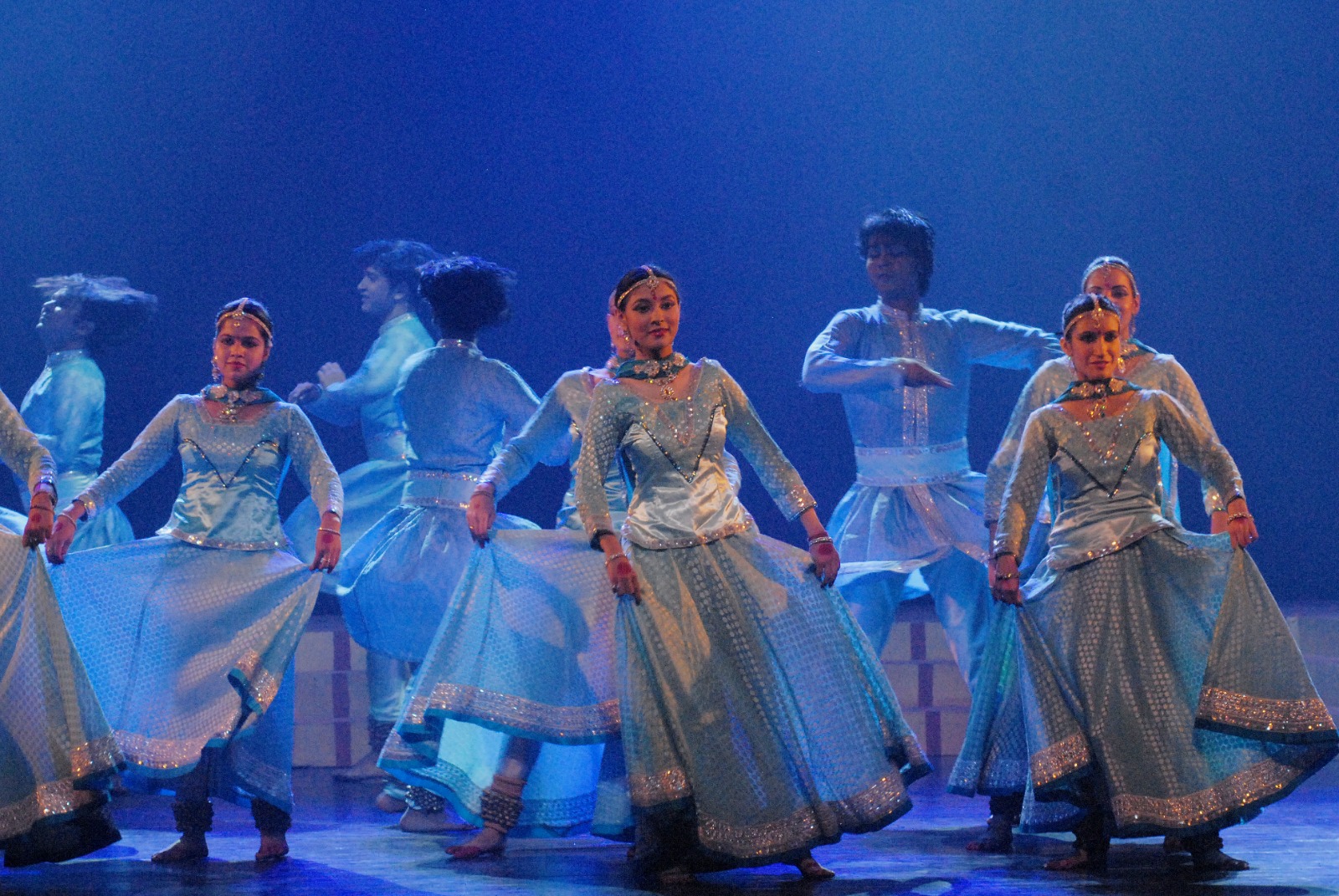
Shovana’s deep-rooted connection to Tagore’s world stemmed from her birth in Calcutta, in the home of Sarla Devi Chaudhurani—daughter of Tagore’s sister, Swarna Kumari Devi. Her mother, Lalita Narayan’s devotion to Rabindra Sangeet, Hindustani classical music, Indian philosophy, and ancient Sanskrit and Hindi literature imprinted these songs in her subconscious. This heritage evolved through performances, including a 1980s rendition of Nritertale Tale with Mukul Mukherjee at London’s Sanskritik Festival of Arts of India, followed by dance interpretations of Tagore’s short stories. This longstanding affinity sparked a profound fascination with Kadambari’s mysterious influence on the visionary poet, inspiring the production.
Lacking a pre-existing script, Shovana drew from extensive research: Tagore’s writings, scholarly articles, Prof. Aruna Chakravarti’s expertise (including scenes from her novel Jorasanko), Dr. Minoti Chatterjee’s insights, theatre artist Averee Chourey’s contributions, and scriptwriter Zakia Zaheer’s evocative penning. The final script emerged from this collaborative effort, with Reba Som graciously providing the title.
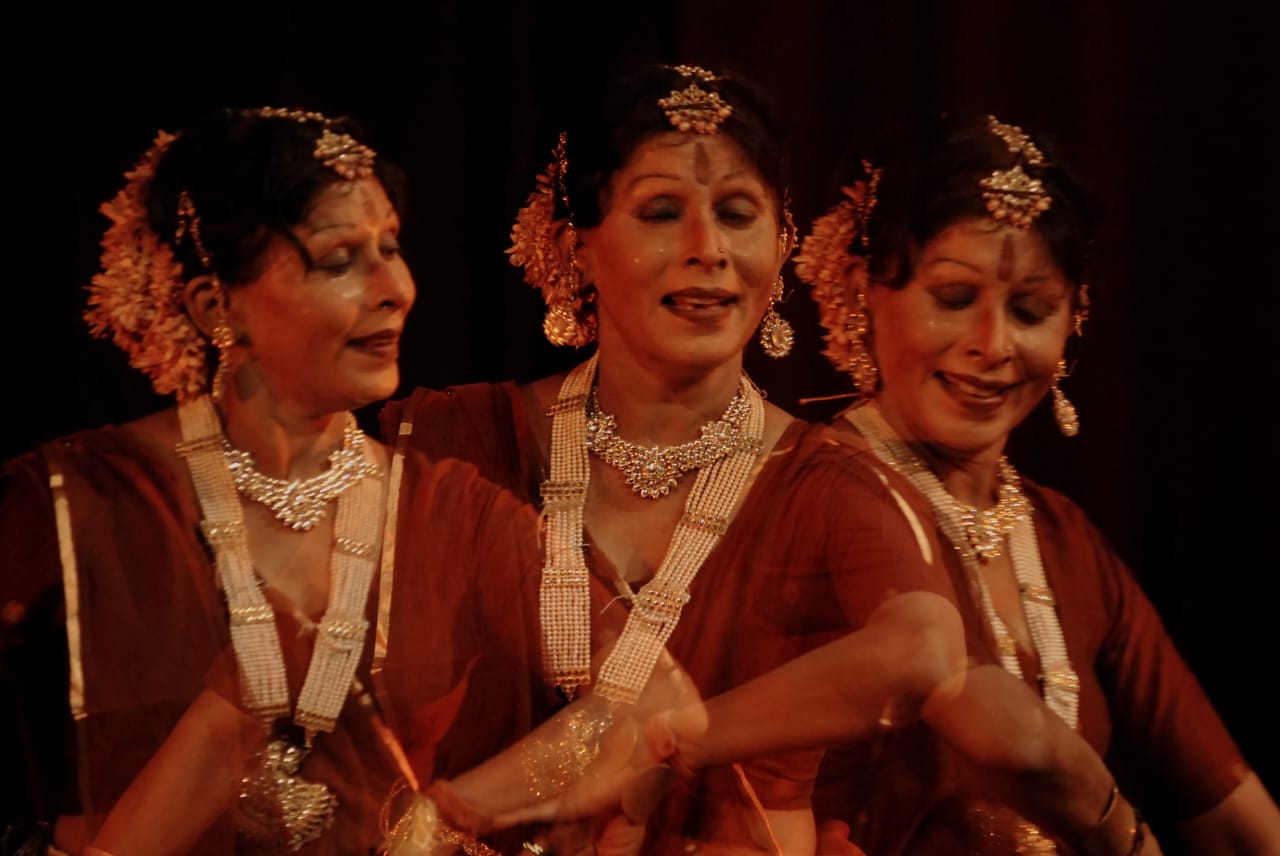
Rooted in Kathak idiom, the production preserved Tagore’s musical spirit through Rabindra Sangeet compositions, ensuring authenticity in dance pieces. Simplistic, suggestive sets and costumes evoked Kadambari’s poignant life mood and tenor.
Life and Experiences of KADAMBARI:
Kadambari was born on July 5, 1859, in Kolkata, and married Jyotirindranath Tagore at nine, entering a formally progressive yet emotionally distant, childless marriage that left her feeling neglected and ridiculed. Though he arranged her education, his frequent absences and preoccupations with estates and theatre deepened her loneliness. She later described the marriage as a loveless sham, with a final rupture when he failed to accompany her to the inauguration of his new steamer.
Close in age to Rabindranath, she became his playmate, caregiver after his mother’s death, and exacting literary muse, offering feedback on his early writings while they exchanged pet names—he called her “Hecate,” she called him “Bhanu.” The accidental death of little Urmila, on whom she had lavished her thwarted maternal affection, intensified her grief and the blame she faced from Tagore women, feeding chronic depression and emotional seclusion. In this fragile state, family mockery over infertility, a discovered love letter of her husband, his continued absences, and finally Robi’s 1883 marriage compounded her sense of abandonment.
A few months later, on 21 April 1884, Kadambari died by suicide, an act surrounded by family silence and later speculation about her emotional isolation. Her death devastated Rabindranath, who dedicated poems and songs to her memory and later wrote of a beloved “Queen” whose loss shut the inner chamber of beauty in his world yet paradoxically opened him to a profound sense of liberating pain. In a letter, he is said to have written: ‘She, my Queen, has died and my world has shut against the door of its inner apartment of beauty which gives the real taste of freedom.’
