


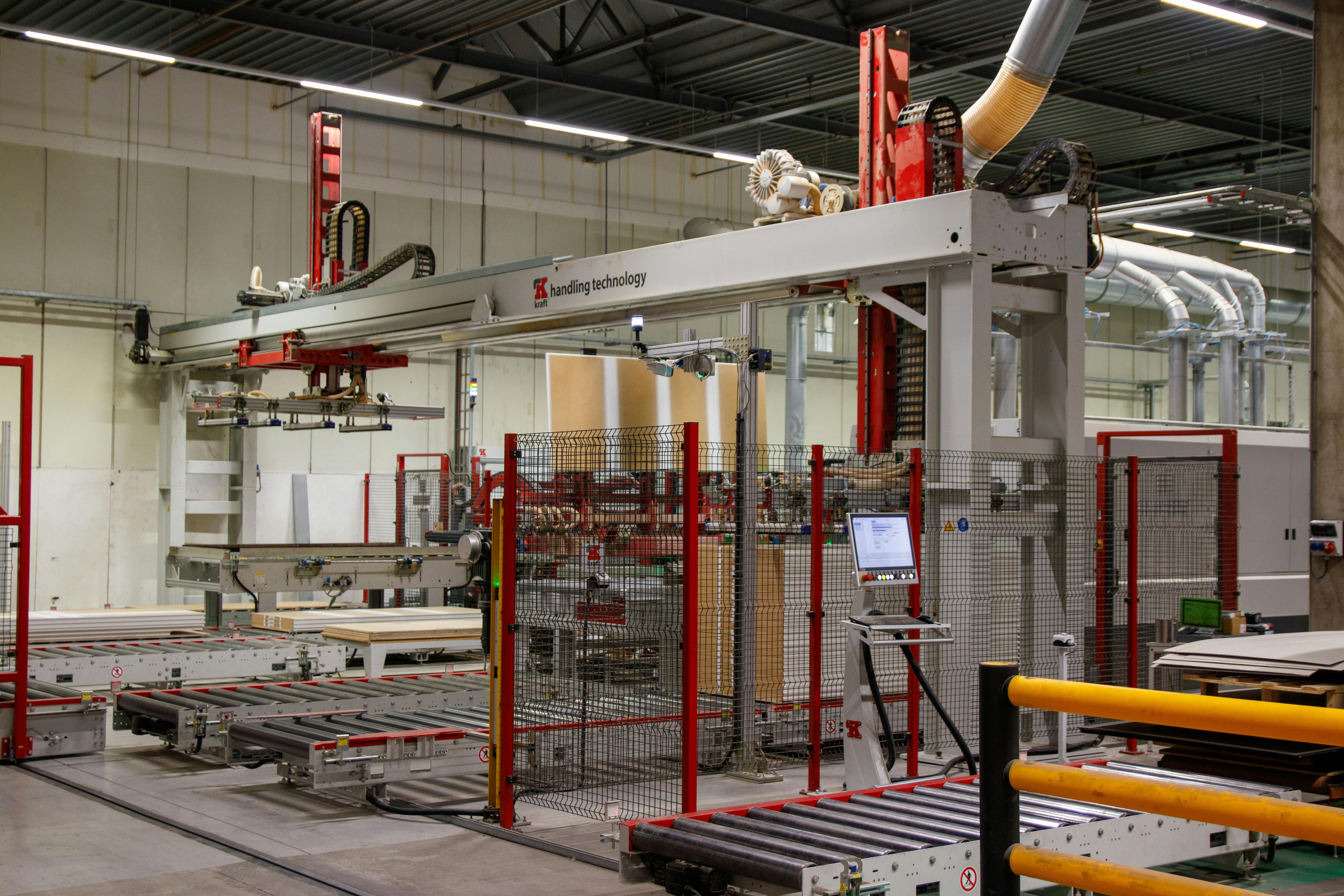
India’s industrial landscape is undergoing a major transformation as automation, artificial intelligence (AI), and smart manufacturing technologies reshape the way businesses operate. From food processing plants to pharmaceutical laboratories and advanced manufacturing facilities, automation is helping companies improve efficiency, enhance safety standards, and maintain consistent product quality.
As India positions itself as a global manufacturing hub, technology-driven production systems are becoming essential. Automation not only boosts productivity but also strengthens compliance with international quality standards—an increasingly important factor for companies competing in global markets.
The Growing Role of Automation in India’s Food Industry
India’s food processing sector has witnessed significant growth in recent years, driven by rising consumer demand for packaged foods, expanding exports, and stricter food safety regulations. To meet these expectations, food manufacturers are increasingly adopting automated production systems.
Robotic arms, automated sorting machines, and sensor-based monitoring systems are now commonly used in modern food processing units. These technologies can perform tasks such as sorting raw materials, cutting ingredients, packaging products, and conducting quality checks with exceptional precision.
One of the most important advantages of automation in food processing is improved hygiene. Automated systems reduce the need for direct human handling, lowering the risk of contamination. Smart monitoring systems also track temperature, humidity, and production conditions in real time to ensure food safety standards are maintained throughout the production cycle.
In addition, automated traceability systems allow manufacturers to track ingredients from the farm to the finished product. This capability is particularly valuable in the event of product recalls or quality audits, as companies can quickly identify and isolate affected batches.
Automation Beyond Food: Impact Across Indian Industries
While food processing remains a major beneficiary, automation is rapidly transforming several other sectors across India. From pharmaceuticals to manufacturing, companies are adopting smart technologies to improve operational efficiency and reduce human error.
Pharmaceuticals and Healthcare
The pharmaceutical and healthcare sectors require extremely high levels of precision, hygiene, and regulatory compliance. Automation plays a crucial role in ensuring these standards are consistently met.
In pharmaceutical manufacturing facilities, automated inspection systems are used to detect defects in tablets, capsules, and packaging. Advanced imaging technologies and sensors can identify even the smallest inconsistencies, helping manufacturers maintain strict quality control.
Automation also allows real-time monitoring of environmental conditions such as temperature, humidity, and contamination levels within production areas. This ensures compliance with global pharmaceutical regulations while minimizing risks associated with manual processes.
Robotics is increasingly being used in vaccine production, sterile drug packaging, and laboratory testing. By handling sensitive materials in controlled environments, robotic systems reduce contamination risks while improving production efficiency.
Automobile Manufacturing
India’s automobile industry has long been a leader in adopting automation technologies. Automotive factories rely heavily on robotic systems for welding, painting, assembly, and quality inspection.
Robots can perform repetitive manufacturing tasks with high accuracy and speed, reducing production time while maintaining consistent quality. Automated assembly lines also allow manufacturers to scale production quickly to meet market demand.
In addition, AI-powered predictive maintenance systems are helping automotive manufacturers monitor machine performance and detect potential equipment failures before they occur. This reduces costly downtime and ensures smoother production operations.
Logistics and Supply Chain
Automation is also transforming India’s logistics sector, which plays a critical role in supporting e-commerce, retail, and industrial supply chains.
Modern warehouses are increasingly adopting automated sorting systems, robotics, and AI-driven inventory management tools. These technologies help businesses process large volumes of orders quickly while minimizing errors.
Automated warehouses can efficiently manage product storage, track inventory in real time, and optimize delivery routes. For industries handling perishable goods, such as food and pharmaceuticals, automation also helps maintain proper storage conditions and reduce spoilage.
Challenges in Automation Adoption
Despite its benefits, the adoption of automation in India still faces several challenges. High initial investment costs remain a major barrier, particularly for small and medium-sized enterprises. Many smaller businesses struggle to afford advanced machinery and digital infrastructure.
Another challenge is the shortage of skilled professionals capable of operating and maintaining automated systems. As automation becomes more widespread, companies will need to invest in training programs to build a workforce equipped with the necessary technical expertise.
However, the long-term benefits of automation—including improved productivity, reduced waste, and enhanced quality—often outweigh these initial challenges.
The Future of Smart Manufacturing in India
Automation is expected to play a central role in India’s industrial growth over the coming decade. As technologies such as AI, robotics, and the Industrial Internet of Things (IIoT) continue to evolve, factories will become increasingly intelligent and connected.
Government initiatives promoting manufacturing and digital transformation are also encouraging businesses to adopt modern technologies. These efforts aim to strengthen India’s position as a competitive player in global supply chains.
Ultimately, automation is not just about replacing manual processes—it is about building smarter, safer, and more efficient industries. From safer food production to precision pharmaceutical manufacturing and advanced logistics systems, automation is helping shape the future of India’s industrial ecosystem.
