


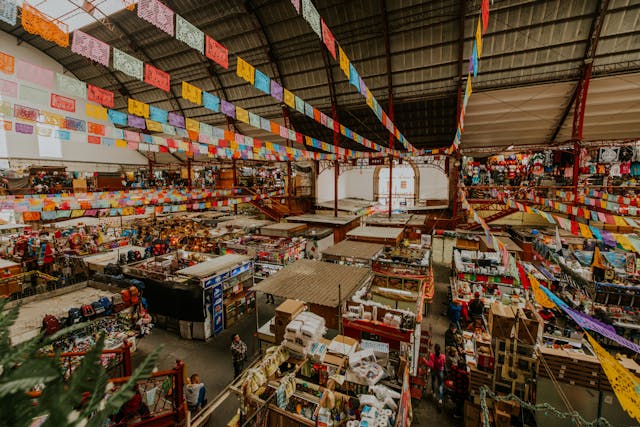
India’s malls have long been places for shopping, entertainment, and leisure. But a new trend is reshaping what these bustling spaces can represent: social responsibility. By partnering with NGOs and child-welfare organizations, malls are gradually becoming platforms where thousands of daily visitors can support meaningful causes—especially those involving orphans and vulnerable children.
This approach blends convenience with compassion, making it easier for people to contribute to social causes while enjoying their everyday activities. When structured responsibly, it becomes a win-win model for society, NGOs, and businesses alike.
Why This Model Matters
Bringing Social Causes Into Everyday Life
Most people want to give back, but they lack time, guidance, or trusted channels. Malls, because of their high footfalls and family-oriented crowd, offer the perfect environment to bridge this gap. Donation points, charity counters, and awareness zones make contributing to social causes effortless.
Creating New Opportunities for NGOs
Registered NGOs that work for orphans, education, healthcare, or child rights gain valuable visibility. Instead of depending entirely on fundraising campaigns, they reach thousands of potential donors simply by being present in popular entertainment spaces.
Building a More Conscious Consumer Culture
When acts of charity become a part of public spaces, they slowly shape attitudes and behaviours. People—especially children and young adults—absorb the message that helping others is a normal part of everyday life.
How the Model Works
1. Partnerships With Registered NGOs
Malls collaborate with credible, government-recognized organizations. These NGOs may focus on child welfare, education, nutrition, or community upliftment. This ensures authenticity and builds public trust.
2. Donation Counters in High-Traffic Areas
Designated spots with secure donation boxes or QR codes enable both cash and digital contributions. Clear labels, impact charts, and short descriptions of the cause help donors understand how their support will be used.
3. Charity Events and Experiences
Malls can host a variety of events that are enjoyable and meaningful at the same time:
-
Handmade product stalls (cards, crafts, candles)
-
Art or photography exhibitions created by NGO beneficiaries
-
Charity concerts, workshops, or cultural performances
-
Awareness days focusing on education, health, or child safety
Proceeds from these activities directly support children in need.
4. Sponsorship Programs
Visitors can sponsor meals, school supplies, healthcare kits, or even monthly education for a child. Transparent, easy-to-understand sponsorship options help donors see the value of what they are giving.
5. Transparency and Accountability
NGOs must clearly communicate where contributions go. Regular updates, posters, or digital screens showing the impact—like “Meals Sponsored This Week”—reinforce trust and encourage repeat donations.
Is This Good for Society?
The Benefits Are Significant
1. Stronger Support for Orphans and Vulnerable Children
Steady donations and increased awareness help NGOs provide essentials like food, shelter, clothing, education, and healthcare.
2. Easier Giving for the Public
People can contribute without stepping out of their daily routines. Helping others becomes an effortless, natural act.
3. Enhanced Social Responsibility in Business
Malls that support humanitarian causes demonstrate a commitment to society, not just profit. This builds goodwill and strengthens community ties.
4. Increased Civic Awareness
By integrating NGOs into commercial spaces, society becomes more aware of local issues and more engaged in addressing them.
Potential Concerns—and How to Avoid Them
While the model is beneficial, it must be handled carefully:
-
No misuse of funds → Only verified NGOs with proper documentation should be allowed.
-
No performative charity → Focus on real impact, not marketing gimmicks.
-
No donor confusion → Clear communication about fund use is essential.
-
Avoiding donor pressure → Interactions must remain respectful and voluntary.
When these guidelines are followed, the model functions ethically and effectively.
How to Implement It Successfully
1. Clear Selection Criteria for NGOs
Malls should partner only with registered NGOs with transparent financial records and proven impact.
2. Dedicated Spaces With Good Visibility
Ideally near entrances, food courts, cinema lobbies, or atriums where footfall is high.
3. Professional Presentation
Simple displays, impact messages, and digital payments (UPI/QR codes) make the experience convenient and trustworthy.
4. Periodic Charity Events
Monthly or seasonal events ensure continuous engagement and fresh content for visitors.
5. Joint Promotion
Both the mall and the NGO should promote the initiatives through social media, posters, newsletters, and local influencers.
6. Regular Impact Reports
A summary of how donations were used builds lasting trust and encourages long-term participation.
A Modl With Deep Social Value
Integrating charity initiatives into malls helps create a society where compassion becomes visible, accessible, and celebrated. Rather than treating philanthropy as a separate activity, this approach brings giving into the rhythm of everyday life.
- For NGOs, it opens doors to new supporters and funding opportunities.
- For shoppers, it offers simple and meaningful ways to contribute.
- For malls, it enhances reputation and builds stronger community connections.
- For society, it nurtures a culture of kindness and shared responsibility.
At a time when urban life often feels fast and disconnected, this model reminds us that social good can flourish anywhere—even in spaces built for shopping and entertainment. When commercial hubs also become centres of compassion, they reflect the kind of society we all want to live in: aware, inclusive, and empathetic.