


How India is navigating global trade, economic growth, and geopolitics to strengthen its influence and empower citizens.
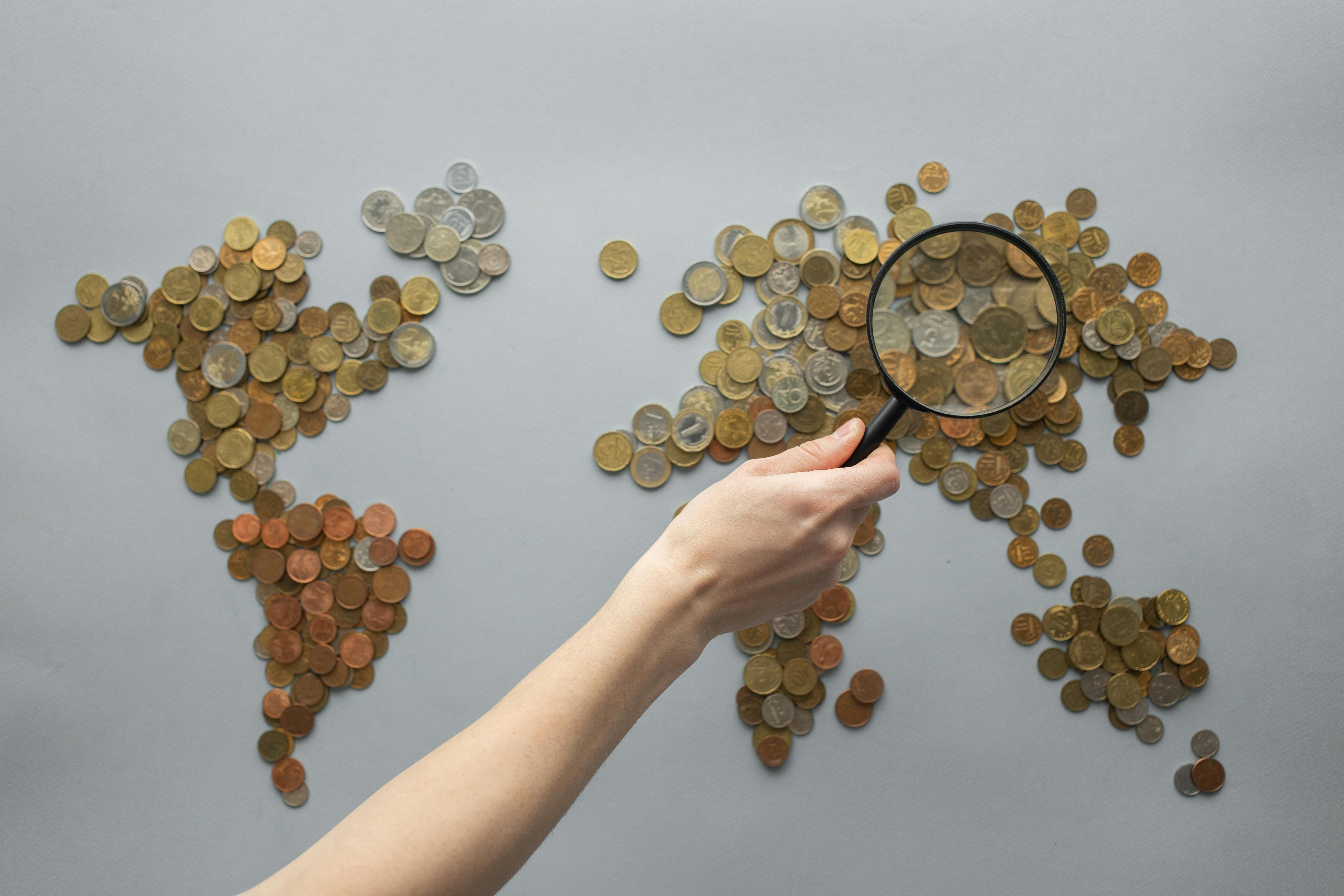
In a world marked by geopolitical tensions, supply chain disruptions, and rapid technological change, India has emerged as a key strategic player in the global economy. The nation’s strong growth trajectory, diversified exports, and proactive trade policies have positioned it as a reliable partner for global trade and investment. For Indian citizens and businesses, these developments are not abstract—they translate into jobs, economic opportunities, and technological empowerment.
Resilient Growth Amid Global Uncertainty
Even as global economic growth faces headwinds from inflation, trade disruptions, and geopolitical instability, India continues to maintain robust growth rates, driven by domestic demand, a thriving services sector, and expanding manufacturing output. This economic stability makes India an attractive destination for global investors, ensuring that citizens benefit from employment opportunities and improved business prospects.
Diversifying Trade and Strengthening Exports
India’s export portfolio has become increasingly diversified. Beyond traditional sectors like textiles and agriculture, India has made significant gains in pharmaceuticals, IT services, engineering goods, and renewable energy products.
This diversification has shielded the economy from shocks in any single sector or market, allowing businesses and citizens to enjoy greater stability. Service exports, particularly in software and IT-enabled services, continue to grow, creating high-paying jobs and global recognition for Indian talent.
Strategic Trade Partnerships
India has actively pursued trade agreements and partnerships with major economies and regional blocs. By negotiating agreements that reduce tariffs and open markets for Indian goods and services, India is enhancing its global competitiveness.
These partnerships not only expand opportunities for exporters but also ensure that Indian consumers and businesses gain access to innovative products and services at competitive prices. The strategy emphasizes both economic growth and sustainable development, with a focus on fostering innovation, technology transfer, and skill development.
Geoeconomic Leadership and Strategic Autonomy
India’s global strategy is shaped by the principle of strategic autonomy. Rather than relying heavily on any single country or economic bloc, India has diversified its partnerships across the Middle East, Africa, ASEAN, Europe, and North America.
This approach allows India to navigate geopolitical shifts with agility, securing supply chains, attracting foreign investment, and participating in global value chains. For citizens, this translates into better employment prospects, enhanced industrial growth, and increased technological access.
Opportunities in Digital Trade and Technology
Digital trade and e-commerce have transformed the global economy, and India is emerging as a major player in technology-enabled services and products. Cross-border digital transactions, software exports, and tech startups have opened new revenue streams and career paths for Indian professionals.
By fostering innovation and skill development, India is enabling citizens to engage with global markets directly, creating a new generation of entrepreneurs, freelancers, and technology experts.
Green Economy and Sustainable Trade
Sustainability is increasingly shaping global trade priorities. India’s focus on renewable energy, electric vehicles, and low-carbon technologies is creating export opportunities while simultaneously generating domestic employment.
This shift benefits citizens by creating green jobs, improving environmental quality, and providing access to modern, clean technology, aligning economic growth with long-term sustainability.
Implications for Citizens and Businesses
India’s strategic role in the global economy has direct and indirect benefits for citizens:
-
Job Creation: Growth in IT, manufacturing, renewable energy, and services expands employment opportunities.
-
Economic Stability: Diversified trade reduces vulnerability to global shocks, offering financial security.
-
Global Access: Citizens gain access to innovative products and services at competitive costs.
-
Skill Development: Exposure to global standards in trade, technology, and research empowers professionals and students.
These benefits illustrate that international trade and diplomacy are not just macroeconomic concepts—they have tangible impacts on daily life and future opportunities.
A Strategic and Inclusive Approach
India’s approach to global trade and economic engagement is multifaceted, proactive, and citizen-centric. By combining resilient growth, diversified exports, strategic partnerships, digital innovation, and sustainable practices, India is not only adapting to shifts in the global economy but also actively shaping them.
For Indian citizens, this evolving global role offers jobs, technological opportunities, and economic empowerment, reinforcing India’s position as a responsible, forward-looking, and influential nation on the world stage.
India’s strategic vision demonstrates that a well-planned global economic strategy can create tangible benefits at home, empowering people while strengthening the country’s international influence.
