


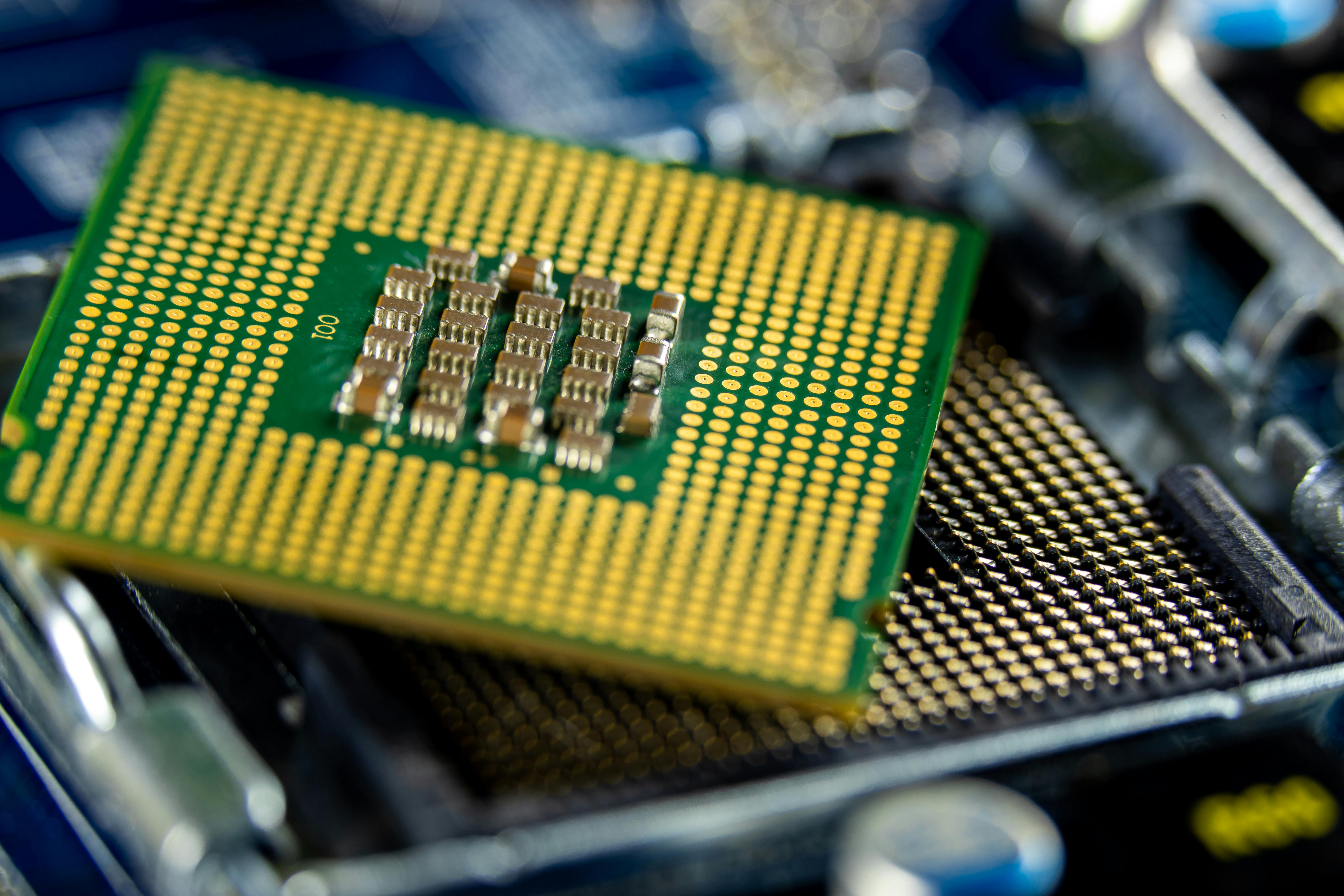
A bold government reform is transforming India’s tech landscape, creating jobs, fostering innovation, and strengthening national self-reliance.
In February 2026, the Government of India launched the India Semiconductor Mission 2.0 (ISM 2.0) — a landmark reform aimed at positioning India as a global hub for semiconductor design, manufacturing, and innovation. With a budget of ₹1.25 lakh crore, this initiative is not just about technology; it is a strategy to empower citizens, generate high-skill employment, and strengthen the country’s economic and strategic capabilities.
The Vision Behind ISM 2.0
Semiconductors, commonly known as “chips,” are the backbone of modern technology. They power devices ranging from smartphones and laptops to electric vehicles and medical equipment. Recognizing the strategic importance of these tiny components, the Indian government has prioritized building a domestic semiconductor ecosystem.
ISM 2.0 builds on the success of the original India Semiconductor Mission launched in 2021. While the first phase focused on attracting investment in assembly and packaging units, the second phase expands the mission to advanced chip design, manufacturing, and innovation hubs. By creating a full-stack ecosystem, the reform aims to reduce dependency on imports, strengthen domestic capabilities, and integrate Indian companies into global supply chains.
Economic and Employment Benefits
One of the most direct impacts of ISM 2.0 is job creation. Semiconductor manufacturing and R&D require highly skilled professionals, including engineers, researchers, and technicians. With the mission’s expansion, thousands of new jobs are expected, particularly in cities hosting semiconductor parks and innovation centers.
-
High-Skill Opportunities: Young engineers and IT professionals gain opportunities to work with advanced technologies such as artificial intelligence, robotics, and IoT, which are increasingly integrated into semiconductor solutions.
-
Regional Development: The establishment of semiconductor clusters in tier-2 and tier-3 cities fosters local economies and helps bridge urban-rural employment gaps.
In addition to direct jobs, the reform creates ancillary employment in logistics, construction, equipment manufacturing, and training programs, multiplying the positive impact on citizens’ livelihoods.
Driving Innovation and Technology Leadership
ISM 2.0 is designed to make India a global leader in technology innovation. By promoting research in chip design, fabrication, and next-generation electronics, the reform fosters an environment where startups, universities, and corporates collaborate.
-
Startups and SMEs: Indian startups now have incentives and support to enter semiconductor design, testing, and software development, fueling a culture of innovation.
-
Skill Development: Training programs aligned with global semiconductor standards equip students and professionals with highly sought-after expertise.
This focus on innovation ensures that India is not just a manufacturing hub but also a creator of intellectual property, helping the country compete with global technology leaders like the USA, South Korea, and Taiwan.
Strengthening National Security
Semiconductors are critical to defense, communications, and infrastructure. By reducing reliance on foreign chips, ISM 2.0 enhances India’s technology sovereignty and security. Citizens indirectly benefit from this strategic self-reliance, as the country is better equipped to maintain critical infrastructure, defense systems, and essential services during global supply disruptions.
Boosting the Economy and Exports
Semiconductors are among the highest-value export commodities in the global market. By developing a domestic semiconductor ecosystem, India can increase its exports of chips, components, and electronics, contributing to economic growth and foreign exchange reserves.
Citizens benefit in multiple ways:
-
Improved job prospects in high-paying sectors
-
Enhanced regional development through semiconductor clusters
-
Better access to affordable electronics, thanks to reduced import costs
Empowering Citizens Through Digital Inclusion
While ISM 2.0 is industry-focused, it indirectly impacts everyday citizens. With India producing more semiconductors locally, devices such as smartphones, laptops, and home electronics become more affordable. Access to technology supports education, digital services, healthcare, and financial inclusion, touching millions of lives across the country.
A Reform for Today and Tomorrow
The India Semiconductor Mission 2.0 is a visionary reform that goes beyond policy; it is a nation-building initiative. By creating high-skill jobs, fostering innovation, strengthening national security, and boosting economic growth, it directly and indirectly empowers Indian citizens.
For students and professionals, ISM 2.0 opens doors to global-standard skills and career opportunities. For entrepreneurs, it provides a platform for innovation and international collaboration. And for the nation, it builds a resilient, self-reliant, and future-ready economy.
In essence, ISM 2.0 is not just about chips—it’s about shaping a prosperous, technologically advanced India, where citizens are both beneficiaries and contributors to a thriving knowledge economy.
