


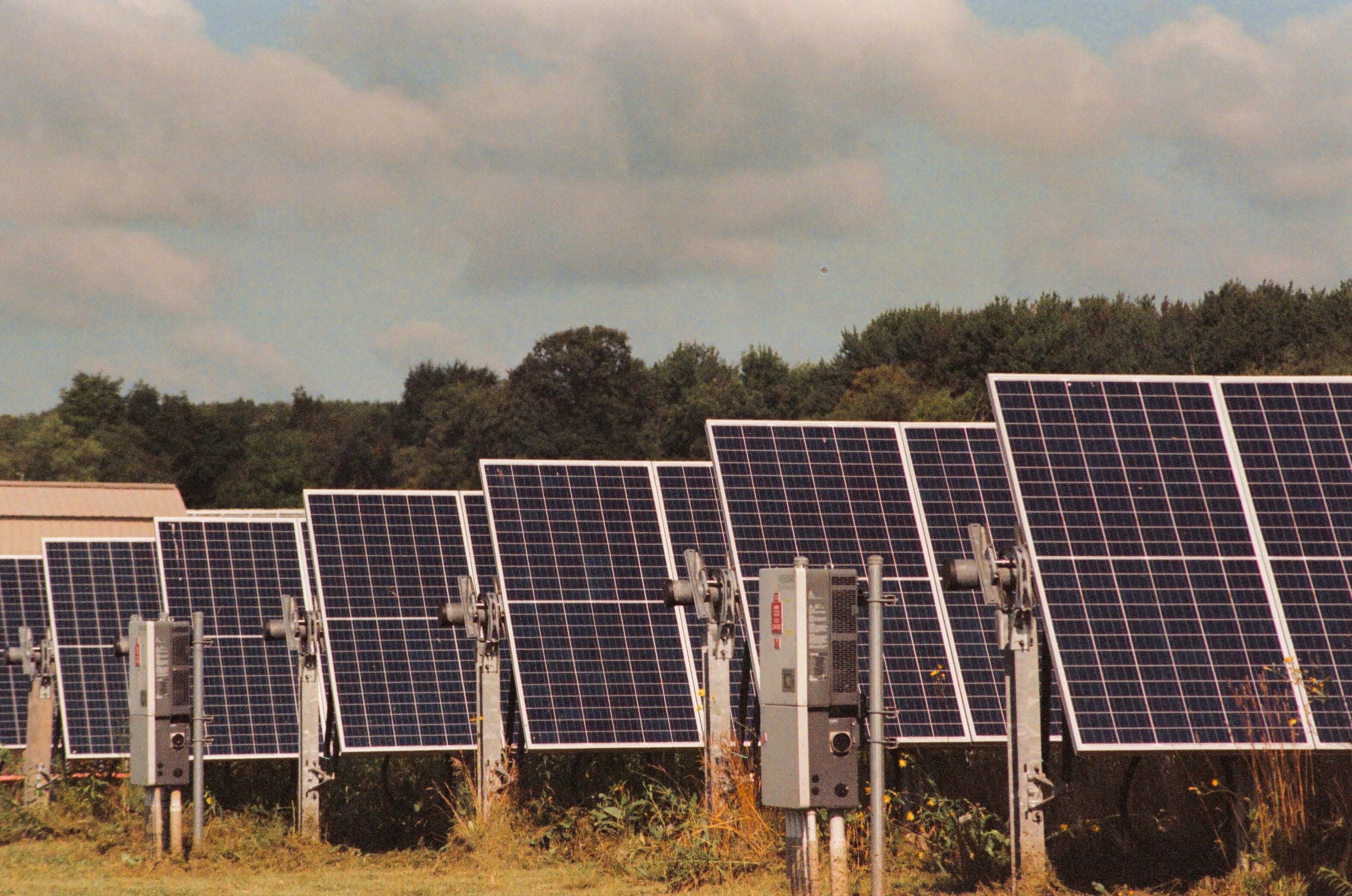
India has emerged as one of the fastest-growing solar energy markets in the world. Driven by ambitious renewable energy targets, supportive government policies, and declining technology costs, solar power has become a central pillar of India’s clean energy transition. From large solar parks to rooftop installations in homes and businesses, solar energy is transforming how the country produces electricity.
However, as the number of solar installations continues to rise, a new question is gaining importance: what happens to solar panels when they reach the end of their life cycle? While solar energy is widely recognized as an environmentally friendly solution, managing aging and worn-out panels will be a crucial challenge for India’s renewable energy ecosystem in the coming decades.
The Lifespan of Solar Panels
Solar panels are designed to be durable and efficient for long periods. Most photovoltaic (PV) panels have an average lifespan of around 25 to 30 years. During this time, they gradually lose efficiency due to exposure to sunlight, weather conditions, dust, and environmental factors.
Even after decades of use, solar panels may still generate electricity, but their performance declines. Many businesses and households choose to replace older panels with newer, more efficient models to maximize energy output. As early solar installations begin reaching this stage, the number of retired panels is expected to grow significantly.
India’s Rapid Solar Expansion
India’s solar energy sector has experienced remarkable growth over the past decade. The country now ranks among the world’s leading solar power producers, with thousands of megawatts of installed capacity across utility-scale projects and rooftop systems.
Government initiatives such as solar parks, renewable energy incentives, and rural electrification programs have accelerated the adoption of solar power. While this growth supports India’s sustainability goals and reduces dependence on fossil fuels, it also means that large volumes of solar panels will eventually need to be replaced or recycled.
Experts estimate that solar panel waste will increase rapidly as installations from the early years of India’s solar expansion begin reaching the end of their operational life.
Can Solar Panels Be Recycled?
One of the encouraging aspects of solar technology is that many components of solar panels can be recycled. Panels are made of materials such as glass, aluminium, copper, and silicon—many of which are valuable and reusable.
Through specialized recycling processes, manufacturers can recover materials and use them again in the production of new panels or other industrial products. In fact, a large portion of a typical solar panel—primarily glass and metal—can be successfully recycled.
Recycling not only reduces environmental waste but also helps recover valuable raw materials, making the solar industry more sustainable in the long run.
Environmental Concerns of Solar Waste
Despite their environmental benefits, solar panels can pose challenges if they are not disposed of properly. Some panels contain small quantities of substances such as lead, cadmium, and other heavy metals that may pose environmental risks if they enter soil or water systems.
Improper disposal, such as dumping panels in landfills or dismantling them in informal recycling operations, could lead to environmental pollution and health risks. As solar adoption increases in India, experts emphasize the need for structured recycling systems and safe disposal practices to prevent such problems.
India’s Regulatory Framework for Solar Panel Waste
Recognizing the importance of managing solar waste responsibly, India has begun integrating solar panels into its electronic waste management policies.
Under the E-Waste (Management) Rules, 2022, solar photovoltaic modules and panels are included in the broader framework for electronic waste management. These rules introduce the concept of Extended Producer Responsibility (EPR), which requires manufacturers and producers to ensure proper collection, recycling, and disposal of solar equipment at the end of its life cycle.
This policy framework aims to encourage responsible manufacturing and create systems for recycling and resource recovery.
Opportunities for Solar Panel Recycling in India
While solar panel waste presents environmental challenges, it also opens up new economic opportunities.
As more solar panels reach the end of their lifespan, demand for recycling facilities and specialized waste management services will increase. This could lead to the development of:
-
Dedicated solar panel recycling plants
-
New jobs in green technology and waste management
-
Innovation in material recovery processes
-
Growth of a circular economy within the renewable energy sector
Developing an efficient recycling infrastructure will be essential to ensure that solar energy remains a truly sustainable solution for India’s future.
Extending the Life of Solar Panels
Another approach to managing aging panels is extending their lifespan through proper maintenance and reuse.
Regular cleaning, monitoring, and servicing can help maintain panel efficiency and delay replacement. In some cases, older panels that no longer perform efficiently for large projects can still be used in smaller applications such as rural electrification or off-grid systems.
Researchers are also exploring innovative ways to repurpose solar panels for construction materials and other industrial uses, which could further reduce waste.
The Future of Sustainable Solar Energy in India
India’s solar revolution is a major step toward achieving energy security and reducing carbon emissions. However, the long-term sustainability of solar energy depends not only on installing new panels but also on responsibly managing old ones.
By investing in recycling technologies, strengthening regulatory frameworks, and encouraging innovation in solar waste management, India can address the challenge of aging solar panels while creating new opportunities in the green economy.
As the country continues its transition toward renewable energy, finding solutions for end-of-life solar panels will be essential to ensuring that solar power remains both clean and sustainable for generations to come.
